




Jerry-YM 2.0
Tax included. Shipping calculated at checkout


Own warehouse in Estonia. Orders out within 2-3 business days.
InfiRay - Jerry-YM 2.0
See the heat
Night vision needs light, and a warm body tucked behind a tree or a bush can drop out of the picture. Thermal does not work that way. In the field review the Jerry-YM picked out a person hidden behind a tree that was invisible through night vision. You cannot hide your heat. The reviewer's verdict on the whole package: the best bang-for-buck multifunctional thermal in its class.

Detection & recognition range
Spot it long before it spots you
A 640x512, 12 micron sensor at 50 Hz pushes human detection out to 1800 m, with recognition at 630 m and identification at 310 m. NETD at or under 30 mK pulls faint heat out of a cold scene.
One imager, every role
Carry it, wear it, clip it on
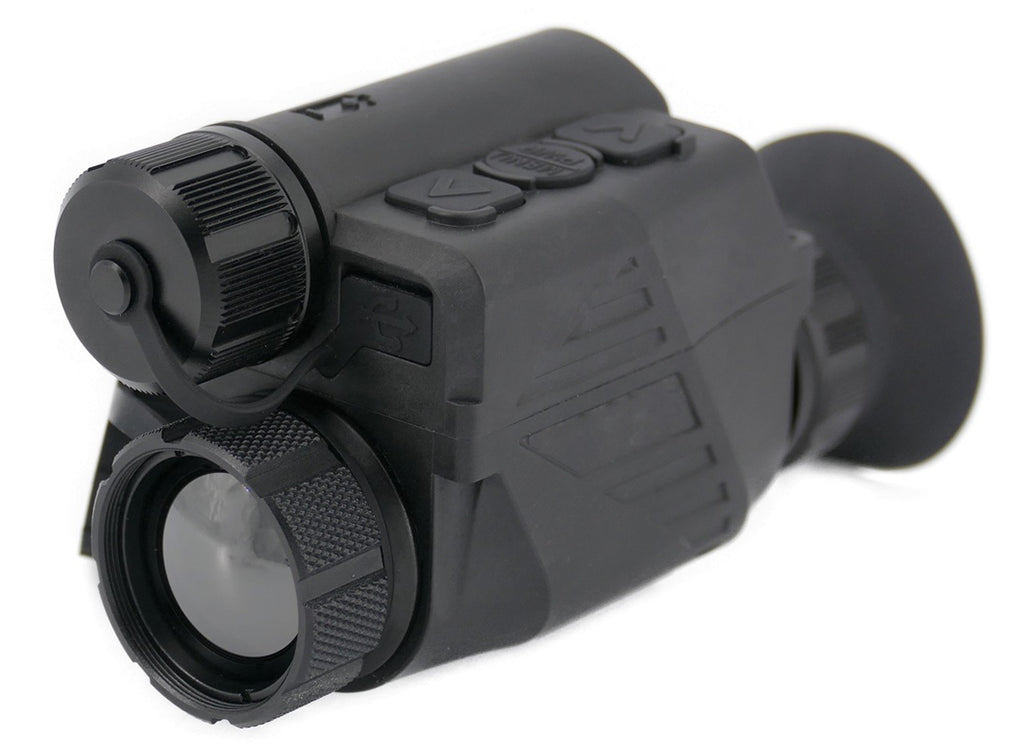
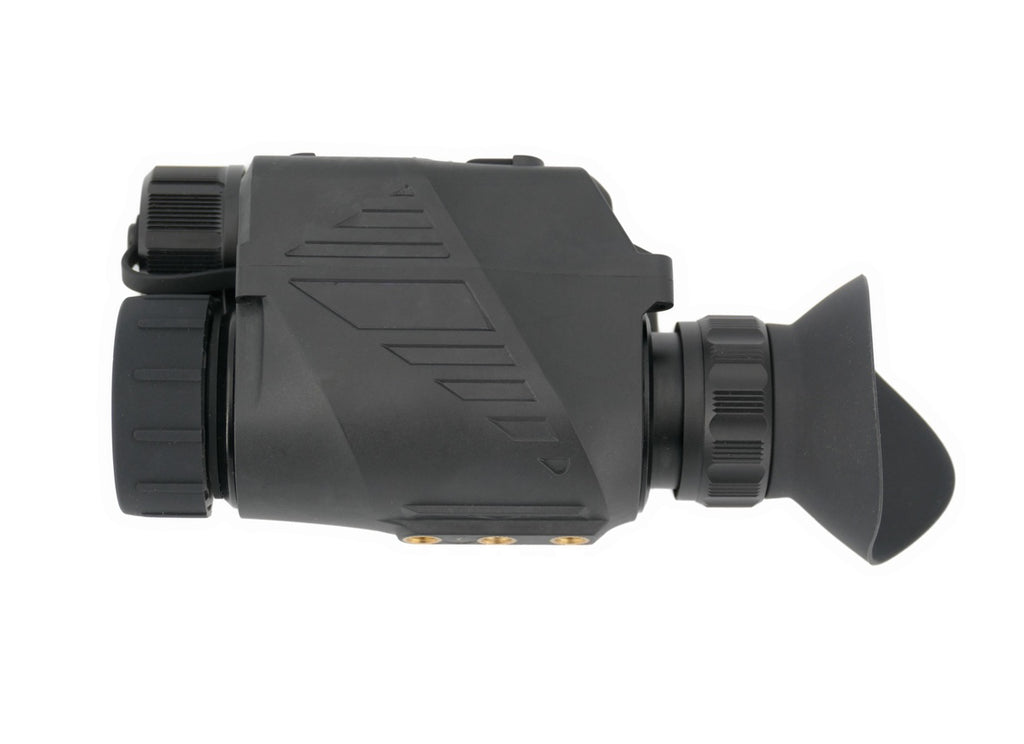
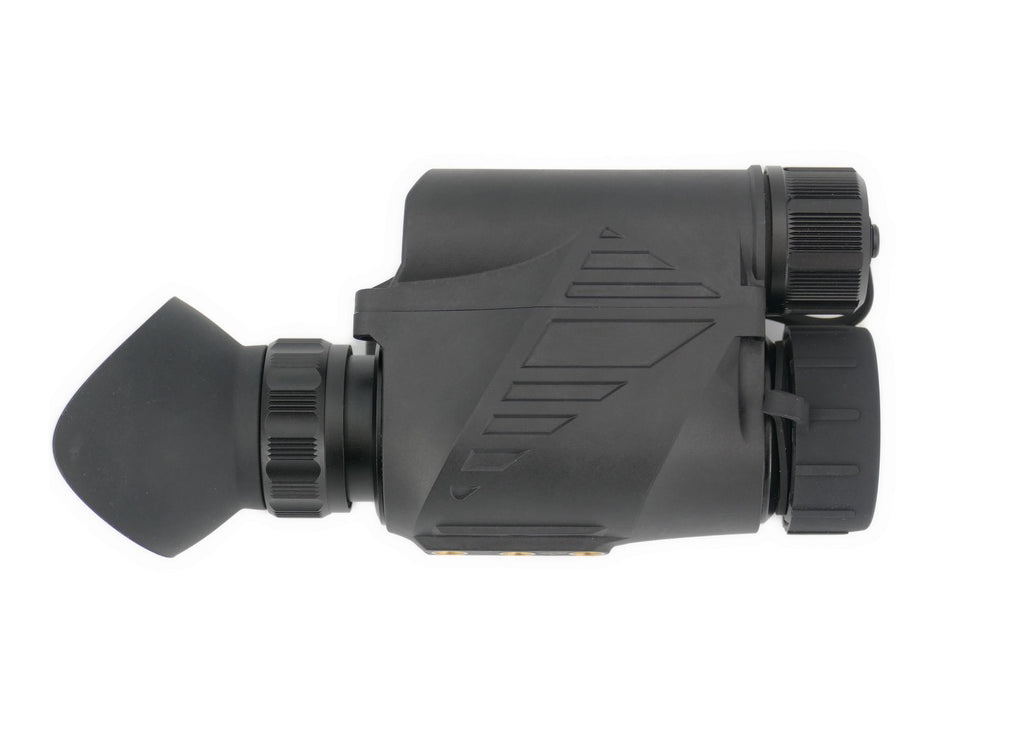
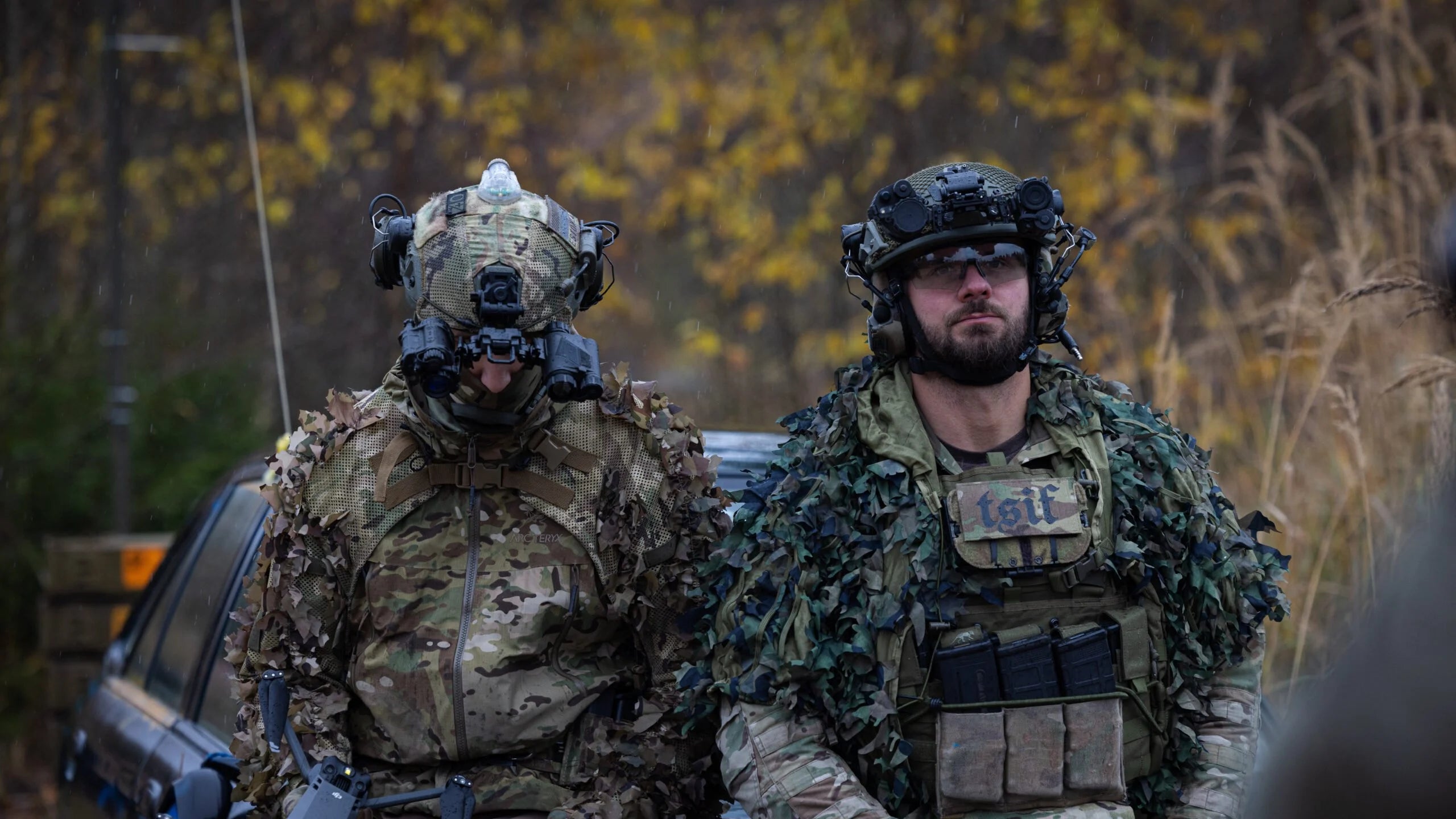
The same 270 g imager scans by hand, rides on a helmet, or clips in front of a day scope at a standard micro-dot height. It is recoil proof to .223 Rem / 5.56 NATO, with 1x optical plus 2x / 4x / 6x digital zoom. Version 2.0 reworks the image pipeline and adds Clip-On mode, Outline mode, Red-Hot with an adjustable threshold and improved collimation.
Handheld
Carry and scan
270 g of 640x512 detector for area sweeps and observation. Nothing to mount, nothing to set up.
Helmet
Hands free
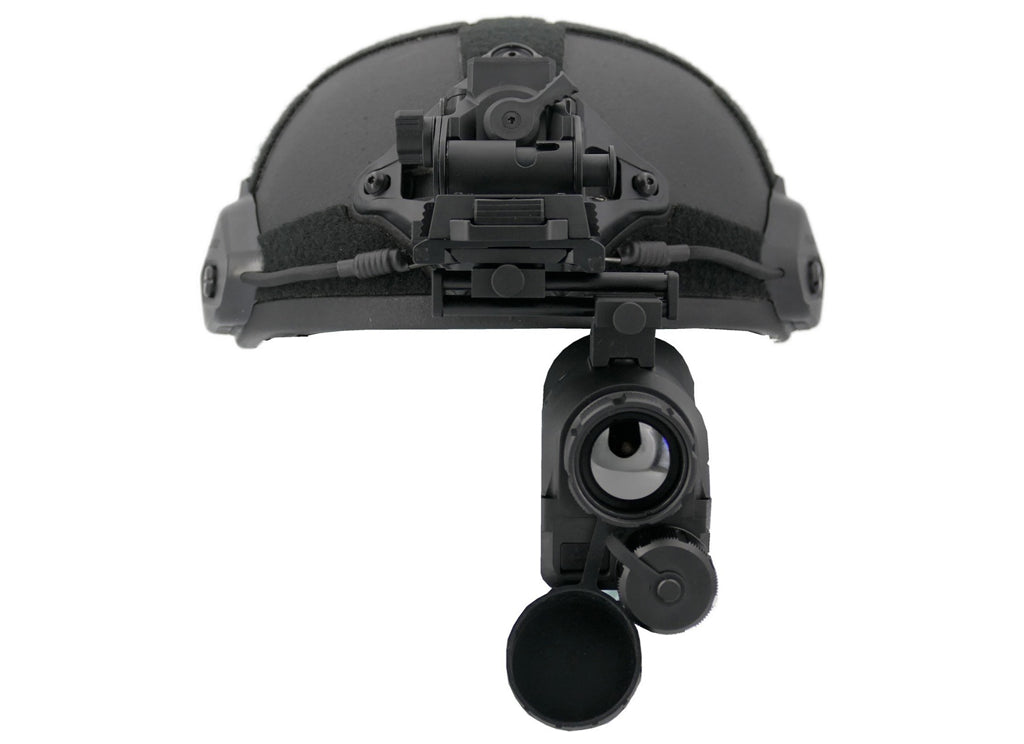
Helmet mount in the box. Free your hands for movement, weapons and comms.
Clip-on
In front of your day optic
The most asked question in the review, and the answer is yes. A Picatinny mount at micro-dot height drops it ahead of your day scope, with X and Y collimation and five preset zeros (G1 to G5) so you can move it between weapons. Recoil proof to .223 Rem / 5.56 NATO.
Modes & tools
Seven palettes, plus the tools
Black-Hot, White-Hot, Iron, Rainbow, Outline, Green-Hot and Red-Hot with an adjustable threshold. Green-Hot and Outline help bridge with a green-phosphor night vision device. Brightness and contrast cut through fog and haze, digital zoom pulls a distant subject in close, plus Picture-in-Picture, a manual shutter reset on the front button and photo or video from the rear button.
Field tip from the review: run button-top 18650 cells. Flat-top cells can lose contact under recoil.
Soft case, hard case, helmet mount, Picatinny mount, cable and manual in the box
Version 2.0
Sharper, with clip-on built in
Version 2.0 reworks the image pipeline, adds a dedicated Clip-On mode and Outline mode, Red-Hot with an adjustable threshold, and improved collimation for cleaner zeros across rifles. The same 270 g imager, now better at the one job that matters: pulling faint heat out of a cold scene.
The numbers
Product Specs
Build your kit
Compatibility
Build it as a kit: up to -20% on mounts and bridges, -10% on a second optic. Applied in cart automatically. Run the Jerry-YM thermal on the helmet, on the rifle, or fused with night vision through a bridge. 3 ways to run it - pick your setup.
 STANDALONE
View setup
Selected
STANDALONE
View setup
Selected
Your STANDALONE build
What you need for this setup
Hands-free on the helmet. The QDM J-arm drops the Jerry to eye level and swaps it between helmet and rifle in seconds.
 This device × 1
1× Jerry-YM 2.0
This device × 1
1× Jerry-YM 2.0
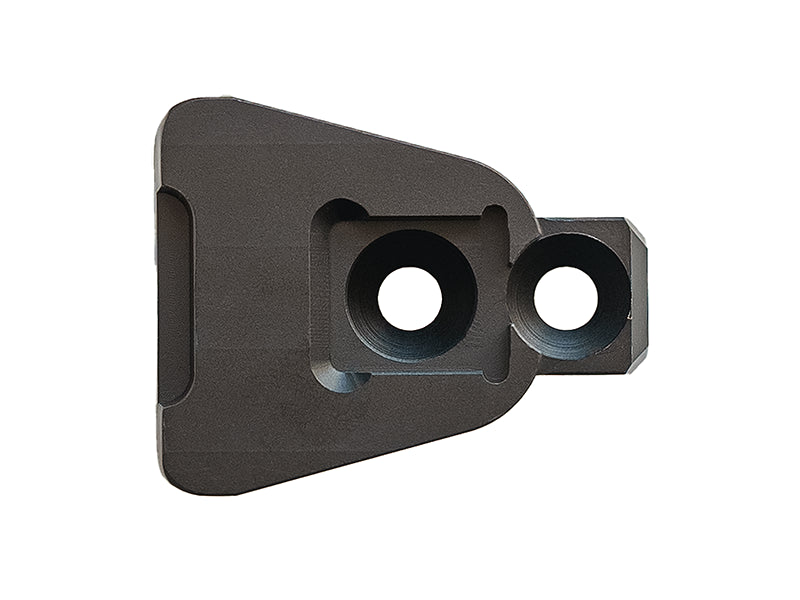


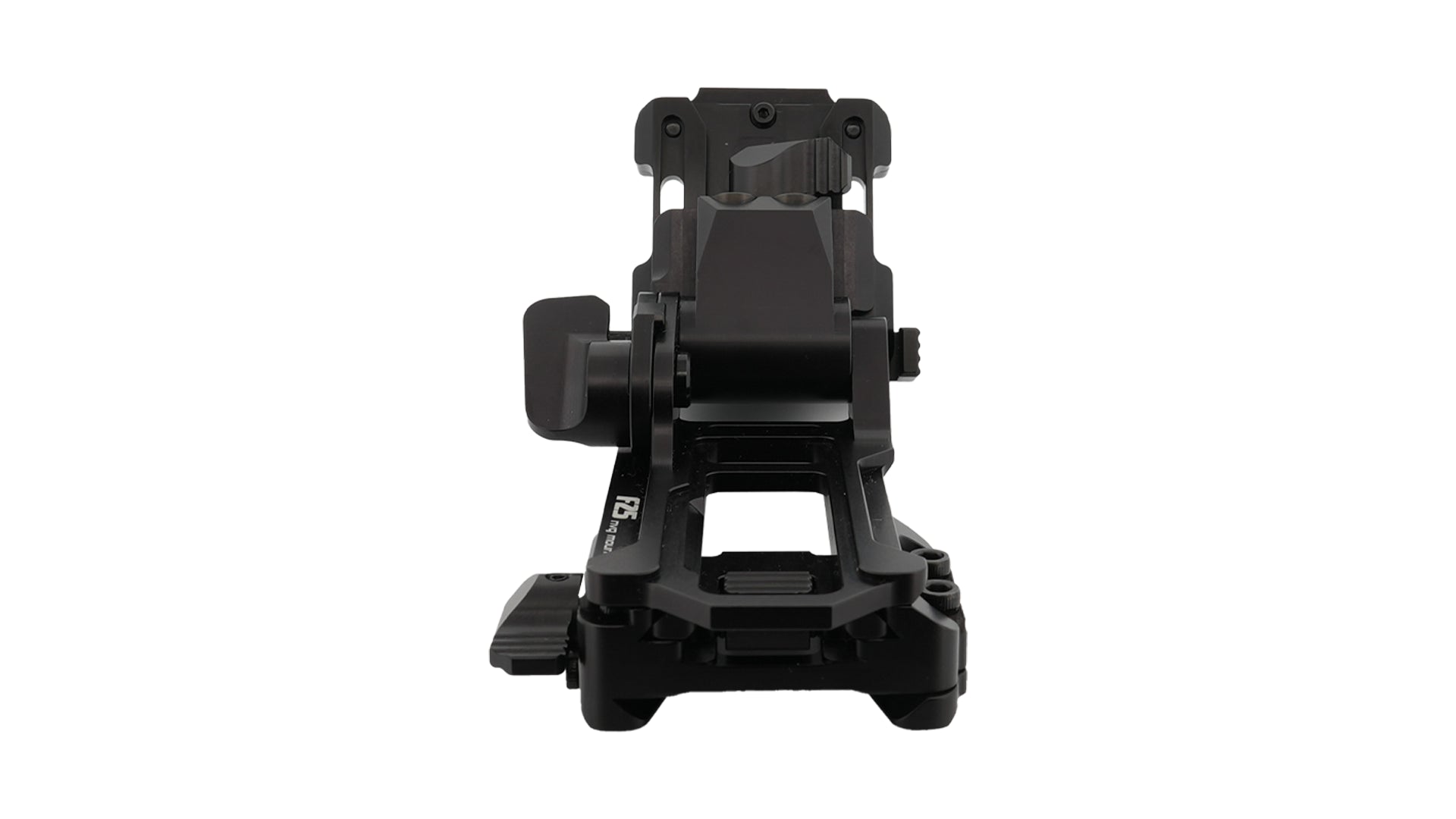
 RIFLE - FLIP-TO-SIDE
View setup
Selected
RIFLE - FLIP-TO-SIDE
View setup
Selected
Your RIFLE - FLIP-TO-SIDE build
What you need for this setup
Flip the thermal to the side in seconds to co-witness a red dot or LPVO, without removing it.
This device × 1
1× Jerry-YM 2.0

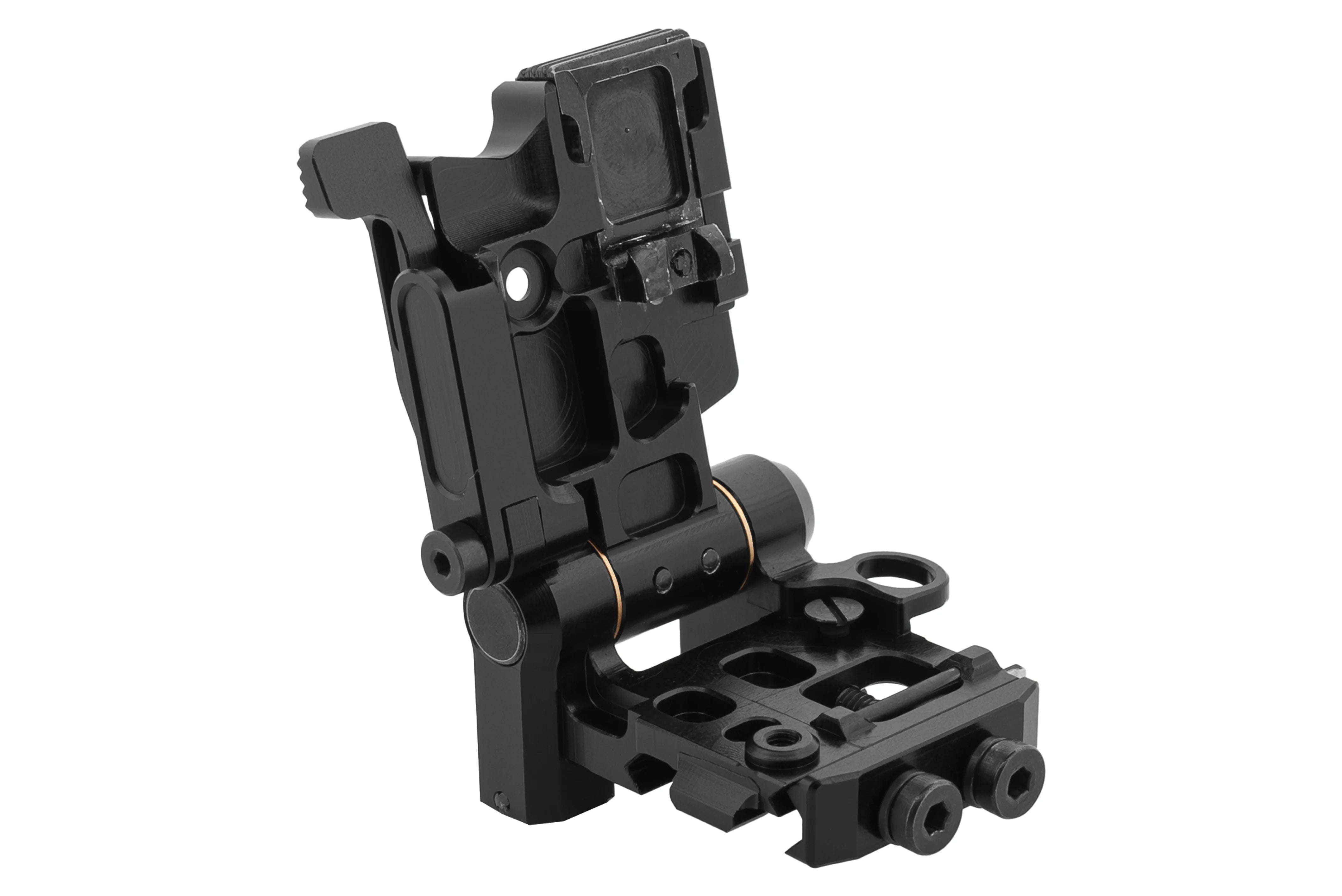
 THERMAL + NV - BRIDGED
View setup
Selected
THERMAL + NV - BRIDGED
View setup
Selected
Your THERMAL + NV - BRIDGED build
What you need for this setup
Run the Jerry-YM thermal on one eye and an FC-M night-vision mono on the other through the QDB bridge. Detect with thermal, identify with night vision.
This device × 1
1× Jerry-YM 2.0
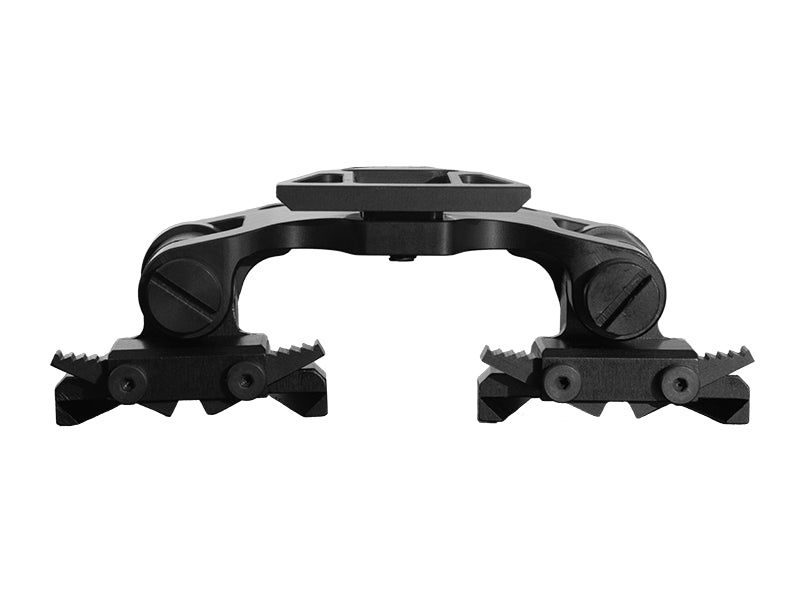
,%20Green-...
)
Every order
What's in the Box

- Jerry-YM 2.0 thermal imager
- Soft carry case protective storage
- Data / power cable USB-C
- Adjustable mounting arm device interface
- Helmet mount head-borne use
- Picatinny mount clip-on / rail use
- Hard case transport protection
- User manual setup & operation
Export control
Shipping & Export
not sure if it fits your setup?
Talk to an actual operator before you buy.
Kai answers first. A real operator steps in when needed.